|
|||
Learning the Types of Red WineLearning the types of red wine may seem like a daunting task. There are so many types; one would feel they 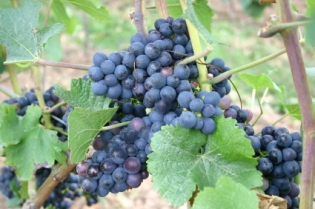 CABERNET SAUVIGNON ( ka-behr-NAY SOH-vihn-YOHN ) gives a tannic, very dark red with little purple in it when they are young, the color fades as they get older. It has aromas of blackcurrants in young wines, cedar in older ones. The taste of young cab is often harsh due to its tannins, but also gives it ability to age. Also a primary blending grape in the left bank of Bordeaux. CABERNET FRANC ( ka behr-nay Frahn) produces wine that is similar to Cabernet Sauvignon, but with little capacity to age but offers herbaceousness and earthiness. It also is used as a blending grape for Bordeauxs (Graves and Medoc) Claret, Meritage, which means a blending of grapes. MERLOT ( Mare-Low ) offers a soft, earthy, fruity taste, a dark color. It is made to be drunk young, except for a Pomerol which ages with great complexity. Also a primary blending grape of right bank of Bordeaux ( Saint Emilion, and Pomerol ) PINOT NOIR ( PEA-no Nwahr ) younger wines have fruity characteristics of cherries, plum, raspberries, and strawberries. Mature wines develop flavors of deep cherry, violet, chocolate, game, figs, smokiness and truffles. Also the red grape in Burgundy, France. SYRAH ( See-Rah ) this wine can be long lived, complex with lots of spice, tar, pepper. It is also the primary grape in Northern Rhone Valley ZINFANDEL (ZIN-fuhn_dehl ) the best are deep red wines which come from old vines, with flavors of spice and black fruits. It also is used for white zinfandel. GRENACHE ( gruh-NAHSH ) comes in white and red varieties, flourishes in hot climates, also a Rhone varietals, it is primary component in Chateau Neuf de Pape. Known as Granache in Spain. MOUVEDRE ( moor-VEH-druh ) this grape thrives in warm, dry climates, also a component in Rhone varietals. Its depth in color and fruitiness, spiciness and peppery qualities are associated with wild berries. Its used to add color and structure. GAMAY (ga-may) used in wines from Beaujolais, for variety produces fresh, fruity types of red wines. SANGIOVESE ( san-joh-VAH-zeh ) one of the top two Italian varieties, other being Nebbiolo, these grapes have a hint of earthiness, but not a lot of fruit. Shiraz, Australian name for Syrah |

Varietals Champagne
Chardonnay
Sauvignon Blanc
Cabernet Sauvignon
Pinot Noir
Champagne
Chardonnay
Sauvignon Blanc
Cabernet Sauvignon
Pinot NoirMore Articles
Michigan Wines
Burgundy Wines
Alsace Wines
Bordeaux Wines
Tuscan Wines
Tuscan Wine Tours
Unoaked Chardonnays
Got Cork?
White Wine Types
Wine Astrology
Red Wine Names
Champange Brands
Marsala Wine
|
||
    
|
|||
|
| Advertise |
Contact Us |
Privacy Policy |
| In the Kitchen | At the Bar | Waiter's World | Owner's Issues | Manger's Office | Wine Cellar | Cigars | Coffee/Tea | |
|||
|
Copyright © 2007 - 2019 foodandbeverageunderground.com. All Rights Reserved.
|
|||





 Blink
Blink Del.icio.us
 Digg
Digg Furl
Furl Google
 Simpy
Simpy Spurl
Spurl Technorati
 Y! MyWeb